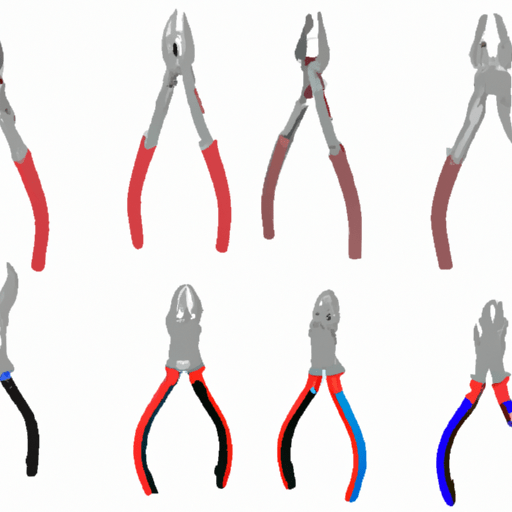
Are you having difficulty finding the right tools for your DIY projects? With so many different types of pliers available, understanding their features is essential for successful completion of the job. From cutting vs gripping heads to straight vs bent designs, each type has its own advantages and uses. In this article, we will explain the key features of pliers and help you pick the ones best suited for your needs.
We’ll start by looking at the various types of plier heads and how they can be used to optimum effect. Whether you need to cut wires or grip small objects tightly, there’s a specific head designed for the job. We’ll also discuss the pros and cons of straight vs bent pliers, helping you decide which design is more suitable for your tasks.
In addition, we’ll discuss the importance of choosing the right material for your pliers. Different materials offer varying levels of durability and resistance to corrosion.
Lastly, we’ll guide you through handle grip options and how they can affect comfort and control while using pliers. Plus, we’ll discuss specialty features that certain pliers offer for specific tasks.
By being familiar with these key features, you can make smart decisions when selecting pliers for your next project. So let’s get started and learn more about these essential tools!
Key Takeaways
- Pliers come in different types with specific features and uses.
- Cutting pliers should only be used for cutting, while gripping pliers have serrated jaws for a strong grip.
- Straight pliers are better for flat surfaces and tight spaces, while bent pliers provide better leverage for curved surfaces and obstacles.
- Consider factors like ergonomics, precision, reach, and versatility when choosing between straight and bent pliers.
Different Types of Plier Heads and Their Uses
Did you know that there are various types of plier heads, each designed for specific purposes? When it comes to understanding pliers, it’s crucial to recognize the importance of ergonomics in their design. The right type of plier head can make a significant difference in your overall experience and performance.
One common type of plier head is the cutting head. This type features sharp blades that allow you to easily cut through wires, cables, and other materials. It is essential to use cutting pliers only for their intended purpose and avoid using them as gripping tools. Using cutting pliers incorrectly can damage the blades or even cause injury.
On the other hand, gripping heads are designed specifically for holding objects firmly in place. These pliers usually have serrated jaws or teeth that provide a strong grip. Gripping heads are ideal for tasks such as bending wire or removing nails.
It’s important to note that some plier heads come in both straight and bent varieties. Straight-headed pliers offer a more direct approach when working on flat surfaces or accessing tight spaces. Bent-headed pliers, on the other hand, provide better leverage when working on curved surfaces or reaching around obstacles.
By understanding these different types of plier heads and their uses, you can avoid common mistakes when using them. Remember to choose the right type of head for your specific task and always prioritize safety by using them correctly and following proper techniques.
Straight vs Bent Pliers: Pros and Cons
When using pliers, you’ll notice that straight and bent options have their own advantages and disadvantages. Here’s a breakdown of the pros and cons of each:
1) Ergonomics: Straight pliers provide better ergonomics as they allow for a more natural grip. The straight design ensures that your hand remains in a comfortable position while exerting force, reducing strain on your wrist and forearm.
2) Precision: Bent pliers excel in tasks that require precision. The angled head provides better visibility and access to tight spaces, allowing you to work with greater accuracy. Whether you’re working on delicate electronics or intricate jewelry, bent pliers offer the control needed for meticulous tasks.
3) Reach: Straight pliers typically have a longer reach than their bent counterparts. This makes them ideal for accessing hard-to-reach areas or gripping objects at a distance. Their extended length gives you the leverage necessary to tackle tough jobs with ease.
4) Versatility: While both types have their strengths, straight pliers tend to be more versatile overall. They can handle a wide range of tasks, from cutting wires to bending metal sheets. If you’re looking for an all-purpose tool, straight pliers are likely your best bet.
When choosing between straight and bent pliers, consider factors such as ergonomics, precision requirements, reach needs, and versatility. Both options have their merits; it ultimately depends on the specific task at hand.
Choosing the Right Material for Your Pliers
To ensure optimal performance, it’s crucial to choose the right material for your pliers. When it comes to choosing pliers, one of the main decisions you’ll have to make is between steel and aluminum. Both materials have their own advantages and disadvantages.
Steel pliers are known for their durability. They can withstand heavy-duty use and are less likely to bend or break under pressure. If you often work with tough materials or require a tool that can handle a lot of force, steel pliers would be an excellent choice. However, keep in mind that steel pliers may be heavier than their aluminum counterparts, which could cause fatigue during prolonged use.
On the other hand, aluminum pliers are lighter in weight and offer better ergonomics. They are easier to maneuver and reduce strain on your hands and wrists. This makes them ideal for tasks that require precision and fine control. However, aluminum is not as strong as steel, so these pliers may not be suitable for heavy-duty applications.
Ultimately, the decision between steel and aluminum comes down to balancing durability with ergonomics. Consider the type of work you’ll be doing most frequently and choose accordingly.
Understanding Handle Grip Options
Get a grip! Let’s dive into the different handle options available for your pliers. When it comes to choosing the right pliers, ergonomic designs and handle materials play a crucial role in ensuring comfort and efficiency during use.
Ergonomic designs are specially crafted to provide maximum comfort and reduce hand fatigue. These handles are contoured to fit the natural shape of your hand, allowing for a more secure grip and better control. With ergonomic handles, you can work longer without experiencing discomfort or strain.
Another important consideration is the handle material. The material used for the handles determines their durability and grip strength. Some common options include rubber, plastic, and insulated grips. Rubber handles offer excellent shock absorption and provide a non-slip surface that enhances safety. Plastic handles are lightweight and resistant to chemicals, making them ideal for various tasks. Insulated grips are essential when working with electrical applications as they protect against electric shocks.
When selecting pliers, pay attention to their handle options. Ergonomic designs ensure comfortable prolonged use while different handle materials offer specific advantages such as shock absorption or chemical resistance. By understanding these features, you can choose pliers with the most suitable handle option for your needs.
Pliers for Specific Tasks: Specialty Features to Consider
Enhance your pliers’ functionality by considering specialty features that cater to specific tasks. When selecting pliers, it’s important to consider the ergonomic design for comfortable use and spring-loaded pliers for easy one-handed operation.
Ergonomic design is a crucial feature to look for in pliers, as it ensures comfortable use over long periods of time. Pliers with ergonomic handles are designed to fit comfortably in your hand, reducing strain and fatigue. This is especially important when working on repetitive tasks or projects that require a firm grip.
Another key feature to consider is spring-loaded pliers. These innovative tools are designed with a built-in spring mechanism that allows them to automatically open after each squeeze, making them ideal for one-handed operation. Spring-loaded pliers eliminate the need for manual repositioning, saving you time and effort.
Whether you’re an electrician, mechanic, or DIY enthusiast, having the right specialty features in your pliers can make all the difference. Consider investing in pliers with an ergonomic design and spring-loaded functionality to enhance your overall experience and productivity.
When choosing pliers for specific tasks, be sure to prioritize features like ergonomic design and spring-loaded functionality. These specialty features will not only improve comfort but also make your work easier and more efficient. So don’t overlook these important considerations when selecting your next pair of pliers!
Conclusion
So there you have it, a comprehensive understanding of pliers and their various features. As you can see, the type of plier head and its purpose play a significant role in determining which one is right for your needs. Additionally, the choice between straight and bent pliers depends on your personal preference and the tasks at hand. Don’t forget to consider the material of the pliers for durability, as well as the handle grip options for comfort during use. Lastly, if you have specific tasks or projects in mind, be sure to look out for specialty features that can make your work easier. Happy plier shopping!