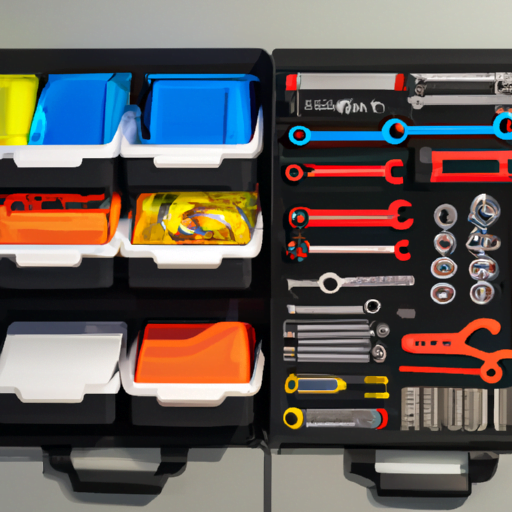
Are you tired of searching for your tools in a cluttered mess? In this tool organizer buying guide, we’ll show you the key features to consider when choosing the perfect organizer for your needs. Whether you’re a handyman or a DIY enthusiast, we will help you make an informed decision. Discover the different types of organizers available and find out how to choose the right size and capacity. With our usage tips, you’ll be maximizing efficiency and productivity in no time.
Importance of Organization
When it comes to staying efficient and productive, the importance of organization can’t be overstated. Being organized not only helps you save time, but it also has several other benefits. Firstly, staying organized reduces stress levels by eliminating the need to search for misplaced items or information. When everything is neatly arranged and easily accessible, you can focus on the task at hand without any distractions. Additionally, being organized allows you to prioritize your tasks effectively, ensuring that important deadlines are met and nothing falls through the cracks. On the other hand, disorganization can have a significant impact on productivity. It leads to wasted time searching for things or trying to remember where you left off on a project. It also increases the chances of making mistakes or missing important details when you’re working in a chaotic environment. Therefore, investing time in organizing your workspace and developing effective organizational systems will undoubtedly pay off in terms of increased productivity and reduced stress levels.
Key Features to Consider
One important thing to consider is the size of the organizer you’re looking for. It should be able to accommodate all your tools and accessories without being too bulky or difficult to carry around. Another crucial aspect to keep in mind is the durability and longevity of the organizer. You want it to be sturdy enough to withstand regular use and last for a long time. Additionally, portability and ease of use are key features that can greatly enhance your overall experience with the tool organizer. It should be lightweight, compact, and have convenient handles or straps for easy transportation. Now, let’s take a look at a table that highlights some popular tool organizers based on their size, durability, portability, and ease of use.
| Organizer | Size | Durability | Portability |
|---|---|---|---|
| Toolbox | Large | High | Moderate |
| Tool Bag | Medium | Moderate | High |
| Tool Belt | Small | Low | High |
Different Types of Tool Organizers
The different types of tool organizers can offer various options for storing and transporting your tools effectively. Whether you’re a DIY enthusiast or a professional tradesperson, choosing the right tool organizer is crucial to keep your tools organized and easily accessible. Here are some material options for tool organizers:
- Plastic: Lightweight, affordable, and water-resistant.
- Metal: Durable, sturdy, but may be heavier.
- Canvas: Flexible, portable, but less durable.
Each type of tool organizer design comes with its own set of pros and cons:
- Toolbox: Provides ample storage space and protection but can be bulky.
- Tool bag: Portable and easy to carry around but lacks structural support.
- Tool chest: Offers multiple compartments for organizing tools but can take up more space.
Consider the material options and pros/cons when selecting a tool organizer that suits your needs.
Choosing the Right Size and Capacity
Consider your specific needs and requirements when selecting the right size and capacity for your tool organizer. Size selection is crucial to ensure that you have enough space to fit all your tools comfortably. Think about the number of tools you have, their sizes, and how you want them organized. If you only have a few small tools, a compact organizer might be sufficient. However, if you have a wide range of large and bulky tools, opt for a larger size with multiple compartments.
Capacity considerations are also important when choosing a tool organizer. Assess the volume of tools you need to store and think about future growth as well. You don’t want to invest in an organizer that quickly becomes overcrowded or limits your ability to add new tools.
Tips for Maximizing Efficiency and Productivity
To maximize efficiency and productivity, it’s important to assess your specific needs and requirements when selecting the right size and capacity for your tool organizer. Here are some tips to help you streamline your workflow and make the most of your tool organizer:
- Utilize time management techniques:
- Set priorities and allocate dedicated storage space for frequently used tools.
- Arrange your tools in a logical order that reflects the sequence of tasks you perform.
- Optimize accessibility:
- Place commonly used tools within easy reach.
- Consider using transparent or labeled compartments to quickly identify and retrieve tools.
- Maintain organization:
- Regularly declutter and remove unnecessary items from your tool organizer.
- Develop a system for returning tools to their designated spots after use.