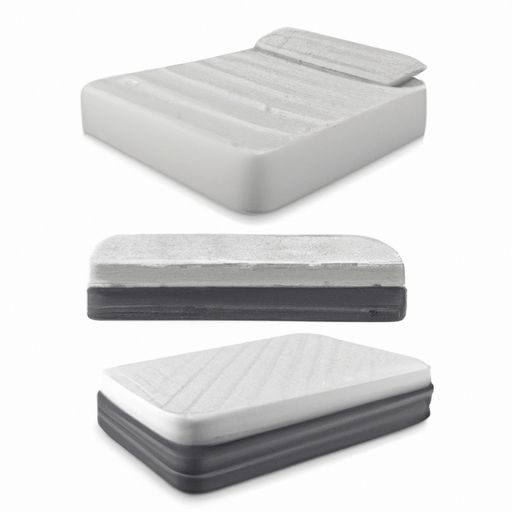
Are you trying to determine which type of mattress to purchase? Is it between a memory foam, innerspring, or hybrid option? Then this article is perfect for you! We will provide you with an overview of the pros and cons of each type of mattress, so that you can make a decision based on your individual sleep needs. We will cover the unique features and benefits of memory foam, innerspring, and hybrid mattresses, so that you can make the best decision for you. Let’s get started and find the mattress that best suits you!
Understanding Memory Foam Mattresses
If you want a mattress that conforms to your body and provides excellent pressure relief, memory foam mattresses are the way to go. The advantages of memory foam mattresses are numerous. Firstly, they contour to your body shape, ensuring optimal support and reducing pressure points. This can be especially beneficial for those with joint or back pain. Additionally, memory foam absorbs movement, meaning you’re less likely to be disturbed by your partner’s tossing and turning during the night. However, it’s important to note some disadvantages as well. Memory foam mattresses tend to retain heat, which could make you feel uncomfortably warm during the night, especially in hotter climates. Furthermore, some people find that memory foam mattresses have a distinct odor when first unpacked, although this usually dissipates over time. Overall, if comfort and pressure relief are your priorities, a memory foam mattress is an excellent choice.
Exploring Innerspring Mattresses
When considering an innerspring mattress, it’s important to prioritize support and durability. Here are three key reasons why you should explore innerspring mattresses:
Coil count: Innerspring mattresses are known for their high coil counts, which provide excellent support for your body. The more coils there are, the better the mattress will contour to your shape and distribute weight evenly. This ensures a comfortable and restful sleep.
Edge support: Innerspring mattresses excel in providing strong edge support. With reinforced edges, you can sit or sleep comfortably near the sides without feeling like you might roll off. This feature is especially beneficial if you share your bed with a partner or have limited space.
Durability: Innerspring mattresses have a long-standing reputation for their durability. The sturdy construction and quality materials used make them resistant to sagging over time, ensuring that your investment lasts for years to come.
Considering these factors, an innerspring mattress could be the perfect choice for those seeking exceptional support, edge stability, and long-lasting comfort.
Hybrid Mattresses: The Best of Both Worlds
For the best combination of support and comfort, a hybrid mattress offers the perfect solution. With its unique blend of materials, a hybrid mattress provides the benefits of both innerspring and memory foam mattresses. The main advantage of a hybrid mattress is its ability to provide excellent support while also offering pressure relief. Unlike traditional innerspring mattresses, which may cause discomfort and pressure points, a hybrid mattress uses layers of foam to contour to your body shape and relieve pressure on your joints. Additionally, a hybrid mattress provides better motion isolation compared to an innerspring mattress, making it ideal for couples or light sleepers who may be easily disturbed by movement. When comparing a hybrid mattress to memory foam, you’ll find that the combination of coils and foam in a hybrid mattress gives it more bounce and responsiveness than traditional memory foam mattresses. This means that you can enjoy the cradling effect of memory foam without feeling like you’re sinking too deeply into the bed. So if you’re looking for the best of both worlds – support from coils and comfort from foam – then a hybrid mattress is definitely worth considering!
Factors to Consider When Choosing a Mattress
When it comes to choosing a mattress, there are several factors you should consider. First, think about your sleeping position and support needs. Different positions require different levels of firmness and support to ensure a comfortable night’s sleep. Second, consider temperature regulation and breathability. A mattress that allows for proper airflow can help prevent overheating during the night. Lastly, take into account your budget and the longevity of the mattress. It’s important to find a balance between affordability and durability to make sure you’re getting the best value for your money.
Sleeping Position and Support Needs
Your sleeping position and support needs will play a role in determining the best type of mattress for you. When it comes to side sleepers, proper back support is crucial for a comfortable night’s sleep. Here are some factors to consider:
- Firmness: Look for a mattress that offers medium to firm support to help align your spine while you sleep on your side.
- Pressure Relief: Memory foam mattresses can provide excellent pressure relief by contouring to your body shape and reducing stress on your shoulders and hips.
- Motion Isolation: If you share a bed with a partner, consider a memory foam or hybrid mattress with good motion isolation properties to minimize disturbances from their movements.
- Edge Support: A mattress with strong edge support can prevent sagging and provide stability when getting in and out of bed.
- Breathability: Look for mattresses with cooling features like gel-infused foams or breathable materials to regulate body temperature throughout the night.
Considering these factors will help you find the perfect mattress that supports your side sleeping position while also providing adequate back support.
Temperature Regulation and Breathability
Considering factors such as temperature regulation and breathability is important when choosing a mattress that suits your side sleeping position. As a side sleeper, you may find yourself getting too warm during the night. That’s where cooling technology comes in handy. Look for mattresses that are equipped with cooling gel or materials that help dissipate heat, ensuring a comfortable sleep experience. Additionally, airflow optimization is crucial to prevent overheating. Mattresses with advanced airflow systems allow for better ventilation, keeping you cool throughout the night. By prioritizing these features, you can avoid waking up in a pool of sweat and enjoy a restful sleep on a mattress that caters specifically to your side sleeping needs.
Budget and Longevity
To make the most of your budget, it’s important to think about how long you want your mattress to last. Budget considerations are crucial when choosing a mattress because you want to ensure that you are getting the best value for your money. Different types of mattresses have varying lifespans, which can affect their overall cost-effectiveness.
When considering your budget, keep in mind that memory foam mattresses tend to have a longer lifespan compared to innerspring mattresses. Memory foam can last around 7-10 years on average, while innerspring mattresses usually need replacement after 5-7 years. Hybrid mattresses, which combine both memory foam and innerspring elements, fall somewhere in between with an average lifespan of 6-8 years.
Making an Informed Decision
When making an informed decision about which mattress to buy, take into account your sleeping preferences and any specific needs you may have. Here are some key factors to consider:
Mattress firmness and comfort:
Think about whether you prefer a softer or firmer mattress.
Consider if you have any specific health conditions that require extra support.
Durability and maintenance:
Look for mattresses that are built to last, so you won’t need to replace them frequently.
Consider the maintenance requirements of different types of mattresses. Some may require flipping or rotating, while others may be easier to maintain.