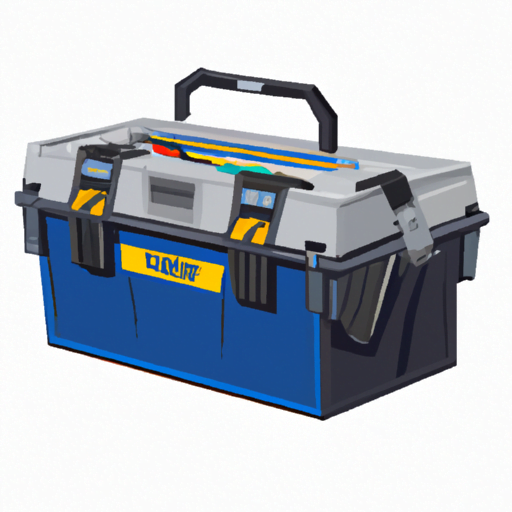
Are you a tradesman on the go? Portable tool boxes are the perfect solution for protecting your valuable tools. These tool boxes offer convenience and durability, making them essential for any job site. In this article, we will explore the benefits of portable tool boxes, key features to consider, how to choose the right size and design, tips for organizing and securing tools, and best practices for maintenance. Ensure the safety of your tools by investing in a portable tool box today!
Benefits of Portable Tool Boxes for Tradesmen
One of the main benefits of portable tool boxes for tradesmen is that you can easily transport your tools and equipment from one job site to another. The durability and longevity of these tool boxes ensure that your valuable tools remain protected during transportation. With a sturdy construction, they can withstand the rigors of daily use and provide long-lasting service. This not only saves you money on frequent replacements but also ensures that your tools are always in top condition, ready to be used whenever needed.
Moreover, the impact of portable tool boxes on your efficiency and productivity as a tradesman cannot be overstated. By having all your essential tools organized and readily accessible in one place, you can save precious time searching for specific items. This streamlined approach allows you to work more efficiently, completing tasks faster without unnecessary delays. Additionally, with everything neatly arranged in compartments or drawers, it’s easier to keep track of inventory and avoid misplacing or losing tools. Overall, investing in a portable tool box is a smart choice that enhances both your convenience and productivity on the job.
Key Features to Look for in a Portable Tool Box
When you’re searching for a portable tool box, make sure it has key features that meet your needs. Durability is crucial to ensure your tools are protected on the go. Look for a tool box made from high-quality materials like heavy-duty plastic or metal construction. This will prevent any damage or breakage during transportation. Another important feature to consider is organization. A well-designed tool box should have compartments and dividers to keep your tools organized and easily accessible. You don’t want to waste time digging through a jumbled mess when you need a specific tool. Additionally, look for a tool box with secure latches or locks to prevent theft of your valuable tools. By considering these key features, you can find a portable tool box that will withstand the demands of your work and help keep you organized on the job site.
How to Choose the Right Size and Design for Your Needs
To choose the right size and design for your needs, consider the amount of tools you typically use and how they need to be organized. It’s important to find a portable tool box that can accommodate all your tools while keeping them easily accessible. When it comes to materials, popular options in the market include heavy-duty plastic, metal, and durable fabric. Each material has its own benefits and drawbacks, so make sure to choose one that suits your specific requirements. To help you further in your decision-making process, here is a table showcasing some popular brands in the market:
| Brand | Material |
|---|---|
| DeWalt | Metal |
| Stanley | Heavy-Duty Plastic |
| Craftsman | Metal or Plastic |
| Husky | Heavy-Duty Plastic |
Take into consideration both the brand reputation and material when selecting a portable tool box that meets your needs.
Tips for Organizing and Securing Tools in a Portable Tool Box
Consider using dividers or small containers to group similar tools together and keep them organized within your portable tool box. Organizing your tools not only makes it easier to find what you need, but it also helps to protect them from damage. By securing your tools in designated compartments, you can prevent them from shifting around during transportation and potentially getting damaged. Additionally, using dividers or containers allows you to maximize the space inside your tool box, ensuring that every tool has its own place. This way, you won’t have to waste time rummaging through a jumble of tools when you’re on the job. So take the time to organize and secure your tools properly – it will save you both time and frustration in the long run.
Best Practices for Maintaining and Cleaning Your Tool Box
Make sure you regularly clean and maintain your tool box to keep it in optimal condition. Neglecting proper maintenance can lead to rust, damage, and even loss of tools. Here are three essential practices for maintaining and cleaning your tool box:
Regularly wipe down the exterior with a clean cloth or sponge to remove dirt, dust, and debris. This will help prevent buildup that can cause scratches or corrosion.
Inspect the hinges, latches, and handles for any signs of wear or damage. Lubricate them with oil or silicone spray to ensure smooth operation.
Empty out the contents of your tool box periodically and vacuum the interior to remove any loose particles or sawdust that may have accumulated over time.