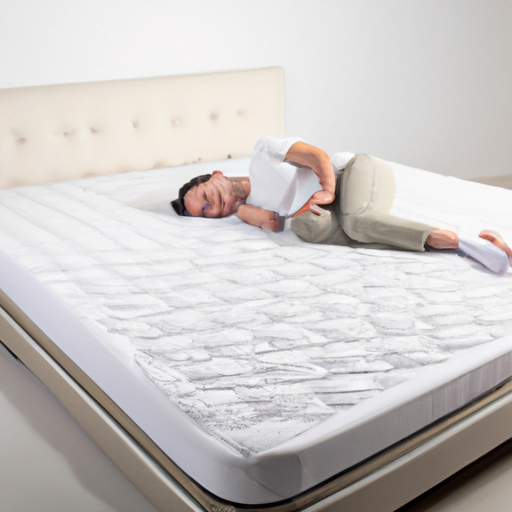
Are you in the market for a new mattress? Not sure how to start? You’re in luck! This article will guide you through the process of selecting the ideal mattress for you. From identifying your favored type to taking into account your sleeping posture and body type, we’ll provide you with the information you need to make an informed decision. So take a deep breath, sit back, and let us help you find the mattress that will give you restful and comfortable nights.
Determine Your Preferred Mattress Type
Now it’s time to decide what mattress type you prefer based on your sleeping habits and personal comfort. When it comes to memory foam vs. innerspring mattresses, each has its own advantages. Memory foam mattresses are known for their ability to contour to your body shape and provide excellent pressure relief. On the other hand, innerspring mattresses offer great support and a traditional bounce that some people prefer. As for latex vs. hybrid mattresses, latex mattresses are naturally breathable and hypoallergenic, making them a good option for those with allergies or sensitive skin. Hybrid mattresses combine the best of both worlds by combining the support of springs with the comfort of foam or latex layers. Consider your preferences and needs when choosing between these different types of mattresses to ensure a good night’s sleep.
Consider Your Sleeping Position and Body Type
It’s important to consider your sleeping position and body type when deciding on a mattress. Your sleep temperature and the durability of the mattress are also crucial factors to think about. If you tend to sleep hot, look for a mattress that offers breathability and cooling properties, such as those made with gel-infused memory foam or latex. These materials can help regulate your body temperature and prevent overheating during the night. As for mattress durability, pay attention to the quality of materials used and the construction of the mattress. Look for features like strong edge support and high-density foams, which can contribute to a longer lifespan of your mattress. Remember, finding the right combination of comfort, support, and temperature regulation will ensure you have a restful night’s sleep.
Assess the Firmness Level
When assessing the firmness level, you should consider your personal preference and sleeping position to ensure optimal comfort. Here are three key factors to keep in mind when conducting a mattress firmness assessment:
Your Sleeping Position: Different sleeping positions require different levels of firmness. If you sleep on your back or stomach, a firmer mattress can provide better support for proper spinal alignment. On the other hand, side sleepers may prefer a slightly softer mattress to alleviate pressure points.
Body Type: Your body weight and shape can also influence the ideal firmness level. Heavier individuals generally benefit from a firmer mattress to prevent sinking too deeply, while lighter individuals may find softer mattresses more comfortable.
Personal Preference: Ultimately, finding the right level of firmness is subjective and dependent on your personal preference. It’s important to try out different mattresses and assess how they feel to determine what suits you best.
Evaluate Motion Isolation and Noise Reduction
When it comes to choosing a new mattress, two important factors to consider are motion isolation and noise reduction. You want a mattress that can minimize the transfer of movement, allowing you and your partner to sleep undisturbed even if one of you tosses and turns throughout the night. Additionally, opting for a mattress with noise-reducing features will ensure a peaceful sleep environment by minimizing any disruptive sounds caused by movement or springs.
Motion Isolation
One important factor to consider when choosing a new mattress is how well it isolates motion. If you share your bed with a restless sleeper or someone who frequently tosses and turns, you know how important it is to minimize motion transfer. A mattress that effectively isolates motion can help reduce partner disturbance, allowing both of you to have a more restful sleep. Look for mattresses that are specifically designed to absorb and distribute movement, such as those with pocketed coil systems or memory foam layers. These materials work by contouring to your body and absorbing the energy created by movement, preventing it from being transferred across the mattress surface. By prioritizing motion isolation, you can enjoy uninterrupted sleep and wake up feeling refreshed each morning.
Noise Reduction
To reduce noise while you sleep, consider investing in a mattress with advanced foam layers or a pocketed coil system. These mattress noise reduction techniques can greatly enhance your sleep quality and ensure that you are not disturbed by unwanted sounds during the night. The advanced foam layers absorb the movements and vibrations, preventing them from reaching the surface of the mattress and creating noise. Similarly, a pocketed coil system consists of individually wrapped coils that work independently to minimize motion transfer and eliminate any creaking or squeaking sounds. By choosing a mattress with these features, you can enjoy a peaceful and undisturbed sleep environment. So, when shopping for a new mattress, keep in mind how to reduce mattress noise by opting for models that incorporate advanced foam layers or a pocketed coil system.
Take Budget and Warranty into Account
Make sure you consider your budget and the warranty when choosing a new mattress. Your budget is an important factor to consider, as there are many budget-friendly options available that still provide comfort and support. Comparing different warranty policies is also crucial, as it can give you peace of mind knowing that your investment is protected. Here are some key points to keep in mind:
Budget-Friendly Options:
Look for mattresses that offer good value for money without compromising on quality.
Consider online retailers or sales events for potential discounts or deals.
Comparing Warranty Policies:
Check the length of the warranty offered by different manufacturers.
Look into what is covered under the warranty, such as sagging or manufacturing defects.