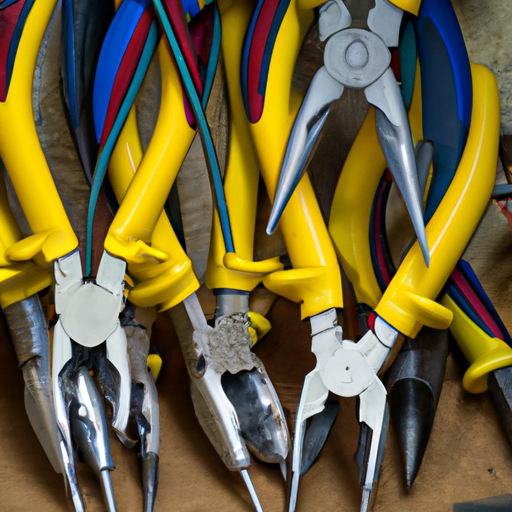
Are you looking for the right pliers for your electrical work? With so many options available, it can be daunting to find the perfect pair. But don’t worry! In this article, we’ll provide you with helpful tips on selecting pliers specifically designed for electrical work.
Firstly, it’s important to understand the different types of pliers and their specific applications. Secondly, consider the material and grip of the pliers to ensure comfort and durability during long hours of work. Size also matters, as having pliers that fit your hand properly enhances control and precision. Additionally, checking for insulated handles is essential to protect yourself from potential electric shocks.
Lastly, don’t forget to read reviews and compare brands before making a final decision. This will assist you in gaining insights into other professionals’ experiences with various products.
By following these guidelines, you’ll have all the necessary information to choose the best pliers for your electrical tasks. Let’s get started!
Key Takeaways
- Understand the different types of pliers and their applications
- Consider the material and grip of the pliers for comfort and durability
- Choose the right size of pliers for control and precision
- Look for pliers with insulated handles to protect against electric shocks
Understanding Different Types of Pliers
If you’re looking to expand your knowledge on pliers for electrical work, it’s important that you understand the various types available and their specific uses. Different plier uses are essential to know in order to choose the best one for your electrical tasks. The most common types of pliers used in electrical work include needle-nose pliers, lineman’s pliers, and diagonal-cutting pliers.
Needle-nose pliers feature long, slender jaws with a pointed tip, making them ideal for reaching into tight spaces and gripping small objects. They are commonly used for bending wires, holding components in place, and pulling wires through conduits.
Lineman’s pliers, also known as combination pliers or side-cutting pliers, are larger in size and have a gripping area near the pivot point. These versatile tools can cut wire, twist wire ends together using their serrated jaws, and securely grip objects.
Diagonal-cutting pliers have sharp blades that create clean cuts at an angle. They are perfect for cutting wires close to terminals or when trimming excess wire length.
When choosing the right type of plier for your electrical work, keep these common mistakes in mind: using improper-sized or damaged tools can lead to accidents; applying excessive force on delicate materials may cause damage; failing to use insulated handles when working with live circuits can be dangerous.
By understanding the different types of pliers available and their specific uses while avoiding these common mistakes, you will be able to choose the best tool for any electrical task at hand.
Considering the Material and Grip
When selecting pliers for electrical tasks, make sure to prioritize the material and grip that will provide optimal performance. The importance of ergonomic design cannot be overstated when it comes to choosing pliers for electrical work. Prolonged use of uncomfortable or poorly designed pliers can lead to hand fatigue and muscle strain, making it difficult to complete tasks efficiently. Look for pliers with handles that are ergonomically shaped and have a non-slip grip. This will ensure better control and reduce the risk of accidents.
Additionally, proper maintenance and care for your pliers is essential in ensuring their longevity and performance. Regularly clean your pliers after each use, especially if they come into contact with dirt, grease, or chemicals. This will prevent any build-up that could affect the functionality of the tool. It is also important to lubricate the moving parts of your pliers regularly to keep them in good working condition.
Investing in high-quality pliers made from durable materials like stainless steel or chrome vanadium is crucial for electrical work. These materials offer excellent strength and corrosion resistance, making them ideal for use in various environments.
By considering both the material and grip of your pliers, you can ensure optimal performance and comfort during electrical tasks while also prolonging the lifespan of your tools through proper maintenance and care.
Choosing the Right Size
To ensure a comfortable and efficient grip, be sure to find pliers that fit perfectly in your hand without causing any strain or discomfort. Choosing the right size of pliers is crucial when it comes to electrical work. Using tools that are too big or too small can lead to common mistakes and make the job more challenging.
When selecting pliers for electrical work, it’s important to consider the size of your hands and the specific tasks you’ll be performing. Pliers come in various sizes, ranging from 4 inches to 12 inches. Smaller pliers are ideal for delicate tasks that require precision, while larger ones provide more leverage for tougher jobs.
One common mistake people make is using oversized pliers for small tasks. This can result in difficulty maneuvering the tool and potentially damaging delicate wires or components. On the other hand, using undersized pliers may not provide enough grip strength, making it harder to handle larger wires or perform tasks that require more force.
Another mistake is assuming that one size fits all. Everyone’s hands are different, so what may feel comfortable for someone else might not work well for you. Take the time to try out different sizes and see which one feels most natural in your hand.
By choosing appropriate tools and avoiding these common mistakes, you’ll be able to work efficiently and comfortably while minimizing the risk of accidents or damage during electrical projects.
Checking for Insulated Handles
Ensure your safety by checking for insulated handles on your pliers. When it comes to electrical work, having the right tools is crucial to prevent accidents and injuries. Insulated handles provide an extra layer of protection, reducing the risk of electric shock while working with live wires or circuits. Here are some key factors to consider when evaluating durability and the importance of ergonomic design in pliers:
Material: Look for pliers made from high-quality materials such as hardened steel or chrome-vanadium alloy. These materials ensure durability and long-lasting performance.
Comfort: Ergonomic design plays a significant role in reducing hand fatigue during prolonged use. Look for pliers with cushioned grips that offer a comfortable and secure hold, allowing you to work for extended periods without discomfort.
Non-slip grip: A non-slip grip provides additional control over the tool while working, enhancing safety and precision.
Insulation rating: Check if the pliers meet industry standards for insulation ratings. This ensures that they can withstand the voltage levels commonly encountered in electrical work.
Certification: Look for pliers that have been tested and certified by reputable organizations such as Underwriters Laboratories (UL) or International Electrotechnical Commission (IEC). This certification guarantees that they meet strict safety standards.
By considering these factors and ensuring your pliers have insulated handles, you can confidently tackle electrical tasks knowing that you have chosen a safe and reliable tool.
Reading Reviews and Comparing Brands
Take a moment to browse through reviews and compare different brands, so you can make an informed decision on which pliers are right for you. When reading reviews, pay attention to what other customers say about the quality and durability of the pliers. Look for feedback on how well they perform in electrical work specifically. This will give you an idea of whether they are suitable for your needs.
In addition to reviews, it’s important to consider pricing and budget considerations. Different brands offer various price points, so think about how much you’re willing to invest in a good pair of pliers. Keep in mind that cheaper options may not always provide the same level of quality or durability as more expensive ones.
While comparing different brands, take the time to learn about the different features of pliers. Some key features to look out for include insulated handles, serrated jaws for improved grip, wire cutting capabilities, and ergonomic designs for comfort during prolonged use.
By researching and comparing brands, reading reviews from other customers, considering pricing and budget constraints, as well as learning about the different features available, you’ll be able to choose the best pliers for your electrical work needs. So go ahead and start exploring your options!
Conclusion
In conclusion, when it comes to choosing the best pliers for electrical work, make sure you understand the different types available and their specific uses. Consider the material and grip to ensure a comfortable and secure hold. Choose the right size for your needs, keeping in mind the tasks you will be performing. Don’t forget to check for insulated handles to protect against electrical shocks. Lastly, reading reviews and comparing brands can help you make an informed decision. Happy plier shopping!