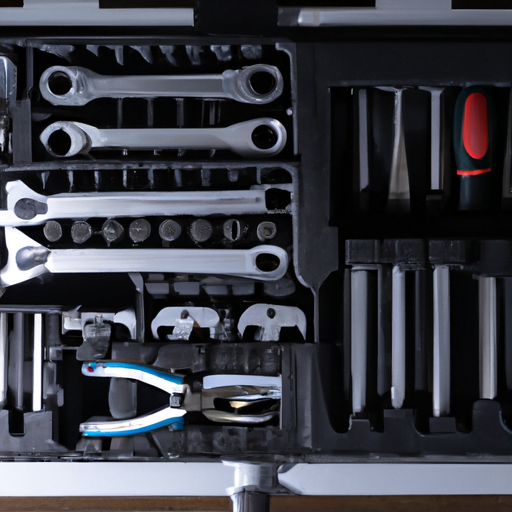
Are you in the market for a new tool organizer, but unsure of which material is best for your needs? In this article, we will explore the pros and cons of metal, plastic, and wood tool organizers. Whether you prioritize durability, affordability, or aesthetics, we will guide you through the process of choosing the perfect tool organizer for your workshop or garage. So sit back, relax, and let us help you make an informed decision.
Pros and Cons of Metal Tool Organizers
Metal tool organizers are popular because they’re sturdy and resistant to damage. When it comes to choosing the right tool organizer, you may be torn between metal, plastic, or wood options. Let’s compare metal tool organizers to their plastic counterparts first. Metal tool organizers tend to be more durable and long-lasting than plastic ones. They can withstand heavier loads without bending or breaking, making them ideal for storing heavy tools. On the other hand, plastic tool organizers may be cheaper and lighter in weight, but they are not as sturdy and may crack or warp over time. Now let’s consider metal tool organizers versus wood tool organizers. While wood has a classic appeal, it is not as strong as metal and can be prone to wear and tear over time. Additionally, wood is more susceptible to moisture damage compared to metal. Overall, if durability is your priority, then a metal tool organizer would be your best bet against both plastic and wood options.
Benefits and Drawbacks of Plastic Tool Organizers
You’ll find that plastic tool organizers offer a lightweight and affordable option, but they may not be as sturdy as their metal counterparts. However, there are still some benefits to using plastic tool organizers:
Portability: Plastic tool organizers are much lighter than metal ones, making them easier to carry around.
You can easily transport your tools from one job site to another without straining your back.
Plastic organizers also often come with handles or straps for added convenience.
Affordability: Plastic tool organizers are generally cheaper than metal ones, making them a more budget-friendly choice.
If you’re on a tight budget or just starting out with your tool collection, plastic organizers can be a cost-effective solution.
You can save money and still keep your tools organized.
However, it’s important to consider the durability of plastic tool organizers. While they may be lightweight and affordable, they may not withstand heavy use or rough handling as well as metal alternatives. If you’re someone who frequently uses their tools in demanding environments or requires maximum durability, then a metal organizer might be a better investment for you.
Advantages and Disadvantages of Wood Tool Organizers
Wooden tool organizers have a classic and timeless look, adding a touch of warmth and elegance to your workspace. When it comes to durability, wood is a great choice. It can withstand the wear and tear of daily use without losing its strength. Unlike plastic or metal, wood doesn’t easily crack or dent. Plus, if there are any scratches or marks on the surface, they can easily be sanded out and refinished, restoring the organizer’s original beauty. Not only is wood durable, but it also has a natural aesthetic appeal that other materials lack. The grain patterns and rich tones of different woods add character and charm to your tools’ storage area. With a wooden tool organizer, you not only have functionality but also an eye-catching piece that enhances the overall atmosphere of your workspace.
Factors to Consider When Choosing a Metal Tool Organizer
When it comes to selecting a metal tool organizer, there are several factors that you need to consider.
Durability
Metal tool organizers are known for their strength and longevity, making them a reliable choice for heavy-duty use.
They can withstand rough handling and resist wear and tear better than other materials.
Weight
Metal tool organizers tend to be heavier compared to plastic or wood options. This can make them more stable but also harder to carry around.
Consider the weight of your tools and how portable you need your organizer to be before making a decision.
Cost
Metal tool organizers often come at a higher price point due to their durability and long-lasting nature.
However, investing in a quality metal organizer can save you money in the long run by avoiding frequent replacements.
Taking these factors into account will help you choose the right metal tool organizer that suits your needs while balancing weight and cost considerations.
Key Considerations for Selecting a Plastic or Wood Tool Organizer
Consider the size and storage capacity of the plastic or wood option to ensure it can accommodate all your tools. When choosing a tool organizer, there are two main options to consider: plastic and wood. Plastic organizers are known for their durability and longevity. They are resistant to moisture, rust, and corrosion, making them ideal for outdoor use. On the other hand, wood organizers offer a more aesthetic appeal. They add a touch of warmth and natural beauty to any workspace or garage. However, unlike plastic organizers, they may require more maintenance over time due to potential warping or cracking. To help you make an informed decision, here is a comparison table highlighting the key features of each material:
| Plastic Organizers | Wood Organizers |
|---|---|
| Longevity | Aesthetics |
| Durable | Natural beauty |
| Moisture-resistant | Requires maintenance |
Consider your personal preferences and needs when selecting between plastic and wood tool organizers.