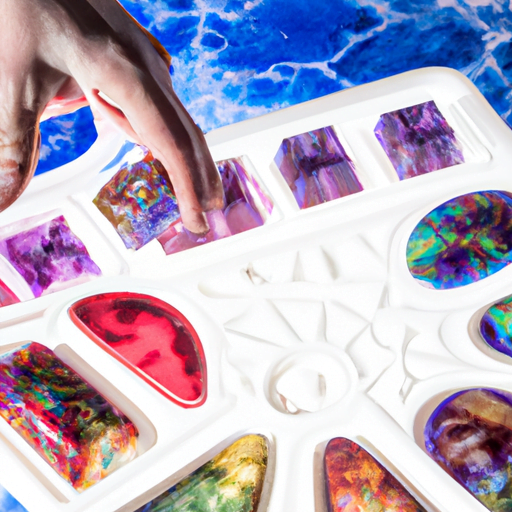
Are you interested in purchasing UV resin molds for your crafting projects? If so, it’s important to understand the different materials available and their reusability. Additionally, knowing the role of mold release agents in ensuring easy demolding is crucial. This article will guide you through these factors and provide useful tips for choosing the right UV resin mold material. We will also highlight common mistakes to avoid when working with these molds. Let’s dive in!
Types of UV Resin Mold Materials
There’s a variety of materials you can choose from when buying UV resin molds. One popular option is silicone molds, which come with many benefits. Silicone molds are flexible and easy to demold, making it simple to remove your resin creations without any damage. They are also durable and long-lasting, allowing you to reuse them multiple times for different projects. In addition, silicone molds have excellent heat resistance, ensuring that they won’t warp or deform when exposed to high temperatures during the curing process. However, if you’re looking for alternative mold materials, there are other options available such as plastic or metal molds. Plastic molds are affordable and lightweight, while metal molds provide a more professional and precise finish to your resin pieces. The choice ultimately depends on your preferences and the specific requirements of your project.
Factors to Consider for Mold Reusability
When considering reusability, you should think about how many times you can reuse the molds before they start to deteriorate. Mold maintenance plays a crucial role in ensuring the longevity of your molds. To maximize their lifespan, it is important to take proper care of them. Regular cleaning and storage in a dry and cool environment can help prevent any damage or deterioration. Additionally, using mold release agents can aid in easy removal of resin casts, reducing the chances of any wear and tear on the molds. It’s also essential to choose high-quality materials for your molds as they tend to be more durable and have a longer lifespan. By considering mold maintenance and longevity, you can ensure that your molds are reusable for an extended period, saving you money and time in the long run.
Importance of Mold Release Agents
To maximize the lifespan of your molds, it’s crucial to use mold release agents for easy removal of resin casts. Mold release agents provide numerous benefits and ensure smooth demolding. These agents create a thin barrier between the mold and the resin, preventing adhesion and making it easier to remove the cast without damaging the mold. By using mold release agents, you can increase productivity by reducing downtime caused by difficult demolding. To properly apply mold release agents, start by preparing your mold with a thorough cleaning to remove any debris or residue. Apply a thin layer of the agent evenly across the entire surface of the mold, ensuring complete coverage. Allow sufficient drying time before pouring your resin to ensure optimal results and effortless demolding.
Tips for Choosing the Right UV Resin Mold Material
If you’re looking for the right material to use for your UV resin molds, consider factors such as durability, flexibility, and heat resistance. One popular option is silicone molds, which offer several advantages. Silicone molds are known for their excellent durability, allowing them to withstand multiple uses without losing their shape or integrity. They also provide great flexibility, making it easier to remove cured resin from the mold without damaging the final product. Additionally, silicone molds have high heat resistance, ensuring that they can handle the curing process of UV resin without warping or melting. However, if you’re open to alternative mold materials, you can also explore options like polypropylene or polyethylene. These materials offer their own unique properties and may be more suitable for specific projects or preferences.
Common Mistakes to Avoid When Working With UV Resin Molds
One common mistake to avoid when working with UV resin molds is rushing the curing process. It can be tempting to speed up the curing time by using excessive amounts of UV light or increasing the temperature, but this can lead to several issues. First, it may cause uneven curing, resulting in a tacky or sticky surface. Second, rushing the curing process can create bubbles or imperfections in your resin piece. To avoid these mistakes, make sure to follow the recommended curing time and temperature for your specific resin. Additionally, ensure that you have properly mixed your resin and applied it evenly into the mold before exposing it to UV light. Taking your time and being patient during the curing process will result in better quality resin pieces without any troubleshooting required.