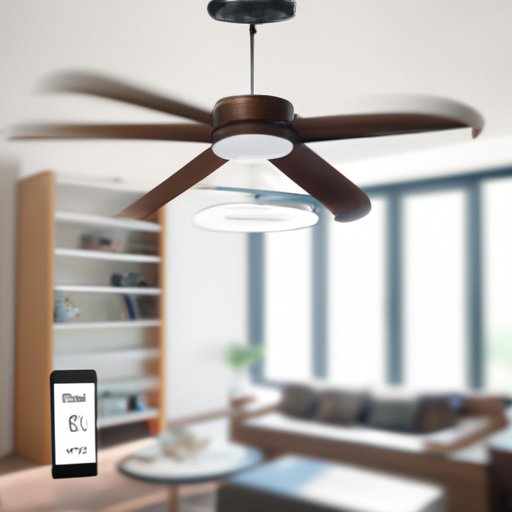
Are you searching for a way to keep cool and cozy during those hot summer days? Consider the best smart fans with WiFi and app control for your home. These advanced devices not only deliver a refreshing breeze, but also provide convenient features that can be regulated right from your smartphone or tablet.
When picking a smart fan, there are numerous factors to consider. You’ll need to think about the size of the fan, its power output, and any additional features such as oscillation or timer settings. Additionally, it’s essential to compare various models to find one that meets your precise needs.
With WiFi and app control capabilities, these fans take convenience to a whole new level. You can quickly adjust the speed and direction of the airflow from any area in your home using only your phone. Plus, some models even have voice control compatibility, allowing you to make changes without using your hands.
In this article, we’ll investigate the top features of smart fans with WiFi and app control, provide comparisons between various models, offer installation tips and tricks, and share ways to take advantage of these modern devices. So get ready to beat the heat in style with the best smart fans for your home!
Factors to Consider When Choosing a Smart Fan
When it comes to choosing a smart fan for your home, there are a few factors you should consider. The first factor is energy efficiency. Smart fans with wifi and app control can help reduce your energy consumption by allowing you to adjust the fan’s speed and settings remotely. Look for fans that have an Energy Star rating or other energy-efficient features to ensure that you’re saving both money and the environment.
Another important factor to consider is compatibility with smart home ecosystems. If you already have a smart home system in place, such as Amazon Alexa or Google Home, it’s essential to choose a fan that integrates seamlessly with these platforms. This will allow you to control your fan using voice commands or through the respective apps.
Additionally, check if the smart fan supports other connectivity options like Wi-Fi or Bluetooth. Having multiple connectivity options gives you flexibility in controlling the fan from different devices throughout your home.
Remember to also consider the size of the room where you’ll be installing the fan. Different fans have different sizes and airflow capacities, so choose one that suits your room dimensions for optimal cooling performance.
By considering these factors – energy efficiency and compatibility with smart home ecosystems – you can make an informed decision when selecting a smart fan for your home.
Top Features of Smart Fans with WiFi and App Control
Get ready to experience the ultimate convenience and modernity by effortlessly managing your ceiling breeze with just a tap on your smartphone. Smart fans with WiFi and app control offer numerous advantages that make them an excellent addition to any home. One of the main benefits is the ability to control your fan from anywhere using your phone. Whether you’re in bed, at work, or on vacation, you can easily adjust the speed, turn it on or off, and even set timers without having to physically interact with the fan.
Another advantage is the integration with smart home systems like Alexa or Google Assistant. This allows you to control your fan with voice commands, making it even more convenient when your hands are full or you’re busy doing something else.
Additionally, smart fans usually come with energy-saving features such as programmable schedules and sensors that detect room occupancy. These features help reduce electricity consumption and lower utility bills.
However, there are a few disadvantages worth considering. Firstly, smart fans tend to be more expensive compared to traditional ones. Additionally, they require a stable WiFi connection for optimal performance. If your internet goes out frequently or if you live in an area with poor coverage, this may limit their functionality.
Smart fans with WiFi and app control offer numerous advantages in terms of convenience and energy efficiency. While they may have some drawbacks like higher cost and reliance on stable internet connectivity, their overall benefits make them a great investment for a modern home.
Comparing Different Smart Fan Models
Immerse yourself in the world of modern cooling technology by exploring a variety of smart fan models that offer unique features and functionalities. When comparing different smart fan models, two important factors to consider are smart fan compatibility and energy efficiency.
Smart fan compatibility is crucial as it allows you to seamlessly integrate your fan into your existing smart home ecosystem. Look for fans that are compatible with popular virtual assistants like Amazon Alexa or Google Assistant, as well as platforms like Apple HomeKit. This way, you can control your fan using voice commands or through dedicated apps on your smartphone.
Energy efficiency is another key aspect to consider when choosing a smart fan. Opt for models that come with advanced energy-saving features such as programmable timers and sensors that automatically adjust the speed based on room temperature. Some fans even have built-in air quality monitors to ensure optimal airflow while minimizing energy consumption.
By carefully evaluating the smart fan compatibility and energy efficiency of different models, you can select the best option for your home. Enjoy the convenience of controlling your fan from anywhere using just your voice or smartphone app while also saving on energy costs. Upgrade your cooling experience with these innovative smart fans today!
Installation and Setup Guide for Smart Fans
To ensure a smooth and hassle-free installation of your new smart fan, start by carefully unpacking all the components and familiarizing yourself with the instruction manual. This will give you a clear understanding of the installation process and help avoid any potential issues down the line.
When it comes to troubleshooting common issues with smart fan installation, there are a few things you can try. First, make sure that all connections are secure and properly tightened. Loose connections can cause malfunctions or poor performance. Additionally, check that the Wi-Fi signal in your home is strong enough for the smart fan to connect to your network. Weak signals can lead to connectivity problems.
Integrating smart fans with other smart home devices is a great way to enhance your overall home automation experience. Most smart fans come with compatibility features that allow them to work seamlessly with other devices such as voice assistants or smart thermostats. By integrating these devices, you can create custom schedules or control your fan using voice commands.
Following the installation guide and troubleshooting any common issues will ensure a successful setup of your new smart fan. Additionally, integrating it with other smart home devices will enhance its functionality and convenience within your automated home ecosystem.
Tips and Tricks for Maximizing the Benefits of Smart Fans
For an enhanced and convenient experience with your new smart fan, consider integrating it seamlessly with other devices in your automated home ecosystem. By doing so, you can fully maximize the benefits of your smart fan and create a more comfortable living environment. Here are three tips to help you make the most out of your smart fan:
Schedule Fan Usage: Take advantage of the scheduling feature on your smart fan’s app to set specific times for it to turn on or off. This way, you can ensure that your fan operates when needed and save energy by not running it unnecessarily.
Sync with Thermostat: Connect your smart fan to your thermostat for optimal temperature control. By linking these two devices, you can create a synchronized cooling system that adjusts accordingly based on the temperature in different rooms.
Troubleshooting Common Issues: If you encounter any issues with your smart fan, such as connectivity problems or slow response time, try troubleshooting steps like resetting the device or checking for firmware updates. Most manufacturers provide detailed instructions on how to resolve common problems in their user manuals or online support resources.
Regular maintenance is also crucial for keeping your smart fan in top condition. Clean the blades regularly and check for any loose connections or debris that may affect its performance. With proper care and utilization of these tips, you can enjoy all the advantages offered by a smart fan in your home automation system.
Conclusion
In conclusion, when looking for a smart fan with WiFi and app control for your home, there are several factors to consider. It’s important to choose a model that offers the top features you desire, such as voice control compatibility or adjustable speed settings. Comparing different smart fan models will help you find the perfect fit for your needs. Once you’ve made your selection, following the installation and setup guide will ensure a smooth experience. Don’t forget to use these tips and tricks to maximize the benefits of your new smart fan!