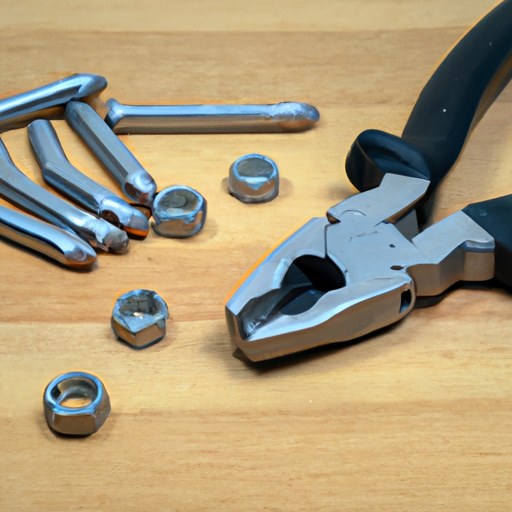
Are you a DIY novice looking to expand your toolkit? This beginner’s guide to pliers is here to help! Pliers are essential tools for any do-it-yourself enthusiast, allowing you to grip, twist, and cut various materials with ease. In this comprehensive article, we’ll start by introducing you to the different types of pliers available on the market. From needle-nose to slip-joint pliers, each type serves a specific purpose in your projects. Next, we’ll break down the terminology associated with pliers so that you can navigate through any hardware store aisle with confidence. Choosing the right pair of pliers for your project is crucial, so we’ll provide tips and tricks on how to make an informed decision. Lastly, we’ll teach you proper techniques for using pliers effectively and highlight common DIY projects where these versatile tools come in handy. With this Pliers 101 guide at your disposal, you’ll have the knowledge and skills to tackle any project that comes your way!
Key Takeaways
- Different types of pliers serve specific purposes in DIY projects.
- Plier handle materials impact grip and comfort, with options like rubber-coated, ergonomic, and insulated handles available.
- Proper techniques for using pliers ensure longevity, such as keeping them clean and free from rust, applying oil or lubricant to prevent stiffness, and wearing safety goggles.
- Pliers can be used creatively in arts and crafts projects, including jewelry making and wire sculptures.
The Different Types of Pliers
Let’s dive into the fascinating world of pliers and explore the different types that will make your DIY projects a breeze! When it comes to pliers, there are various types designed for specific tasks. One popular type is pliers for jewelry making. These specialized pliers have slender tips, making them perfect for intricate work like shaping wire or attaching jump rings. They also come with a comfortable grip to ensure precise control over delicate materials.
Another essential type is pliers for electrical work. These pliers are specifically designed for safety and efficiency when working with electrical wires and components. They often feature insulated handles to protect against electric shock and have cutting edges to strip wires easily.
If you’re looking to tackle plumbing projects, adjustable tongue and groove pliers are a must-have. With their adjustable jaw width, these versatile tools can grip different sizes of pipes, nuts, or bolts securely.
For general purposes like gripping or bending metal objects, standard combination pliers are your go-to option. With their serrated jaws and built-in wire cutters, they offer excellent versatility for a wide range of DIY tasks.
No matter what type of project you’re taking on, having the right set of pliers in your toolbox can greatly simplify your DIY journey and help you achieve professional-looking results effortlessly.
Understanding Plier Terminology
Discovering the intricacies of plier terminology will leave you feeling empowered and knowledgeable. As a DIY novice, understanding the different terms associated with pliers can greatly enhance your ability to choose and use them effectively. Let’s dive into two important aspects: plier handle materials and jaw shapes.
Plier handle materials: The material used for the handles can greatly impact grip and comfort during use. Rubber-coated handles provide a non-slip grip, reducing hand fatigue and ensuring better control over the tool. Ergonomic handles are designed with curves and contours that fit comfortably in your hand, reducing strain on your joints. Additionally, insulated handles are essential when working with electrical projects to prevent accidental shocks.
Exploring various jaw shapes: Different projects require different jaw shapes for optimal performance. Needle-nose pliers have long, pointed jaws perfect for reaching tight spaces or bending wires with precision. Slip-joint pliers feature adjustable jaws that can be set to multiple widths, making them versatile for various tasks such as gripping pipes or bolts securely. Lastly, cutting pliers have sharp edges at their jaws, enabling clean cuts on wires or other materials.
By familiarizing yourself with these key terms related to plier handle materials and jaw shapes, you’ll be equipped to choose the right tool for any project while ensuring a comfortable grip and efficient functionality.
Choosing the Right Pliers for Your Project
Ensure your project’s success by selecting the perfect pair of pliers that will make you feel confident and capable. When it comes to choosing the right pliers for your project, there are a few important factors to consider. One such factor is the material of the plier handles. Pliers with steel handles are generally more durable and can withstand heavy use, making them a great choice for long-term projects or frequent use. On the other hand, pliers with plastic handles tend to be lighter and more comfortable to hold, making them ideal for smaller tasks or those requiring precision.
Another factor to consider when buying pliers is the balance between price and quality. While it may be tempting to opt for cheaper options, especially if you’re new to DIY projects, investing in higher-quality pliers can save you money in the long run. Cheaply made pliers may not provide a secure grip or precise control, leading to frustration and potential damage to your materials.
Ultimately, the perfect pair of pliers will vary depending on your specific project needs and personal preferences. Take some time to research different brands and read customer reviews before making your purchase. By choosing wisely, you’ll have a reliable tool that will help you tackle any DIY task with ease.
Proper Techniques for Using Pliers
Using pliers correctly can make you feel empowered and in control of your projects. Not only will you be able to tackle various tasks with ease, but you’ll also ensure the longevity of your pliers by following some simple tips. To maintain the durability of your pliers, it’s important to keep them clean and free from rust by wiping them down after each use. Additionally, applying a light coat of oil or lubricant to the joints can help prevent stiffness and enhance their overall performance.
Safety should always be a priority when using pliers. To protect yourself from potential injuries, it’s essential to wear safety goggles to shield your eyes from flying debris or accidental slips. Furthermore, using insulated handles is crucial when working with electrical wires to prevent electric shocks.
When gripping objects with pliers, remember to position them near the joint for better control and leverage. Avoid placing excessive pressure on the tip as this may cause damage or breakage. If you need extra force, consider using locking pliers or adjustable wrenches instead.
Lastly, never use pliers as a substitute for other tools such as hammers or screwdrivers. Each tool has its specific purpose and using pliers incorrectly could lead to accidents or damage both the tool and your project.
By following these maintenance tips and safety precautions when using pliers, you’ll be well-equipped to handle any DIY project confidently while ensuring that your tools last for years to come.
Common DIY Projects That Require Pliers
Tackle various home improvement tasks confidently and efficiently by incorporating pliers into your toolkit. Pliers are versatile tools that can be used in a wide range of DIY projects, making them an essential tool for any novice DIYer. When working with pliers, it is important to prioritize safety. Here are some essential plier safety tips for DIY beginners:
- Always wear safety goggles to protect your eyes from flying debris.
- Use pliers that fit comfortably in your hand to avoid hand fatigue and improve grip.
- Keep your fingers away from the jaws of the pliers to prevent accidental pinching or crushing.
In addition to their practical uses in home improvement projects, pliers can also be utilized creatively in arts and crafts projects. From jewelry making to wire sculptures, there are countless ways to incorporate pliers into your artistic endeavors. They can help you bend, shape, and cut various materials with precision, giving you more control over your creations.
So whether you’re fixing a leaky pipe or creating a unique piece of artwork, having a good set of pliers in your toolbox will prove invaluable. Remember these safety tips and explore the creative possibilities that come with using pliers – they truly are a DIYer’s best friend!
Conclusion
In conclusion, by understanding the different types of pliers and their terminology, you now have the knowledge to choose the right tool for your DIY projects. Remember to use proper techniques when using pliers to ensure safety and efficiency. From simple repairs to complex tasks, pliers are an essential tool in every DIY novice’s arsenal. So go ahead and confidently tackle those projects that require pliers with ease!