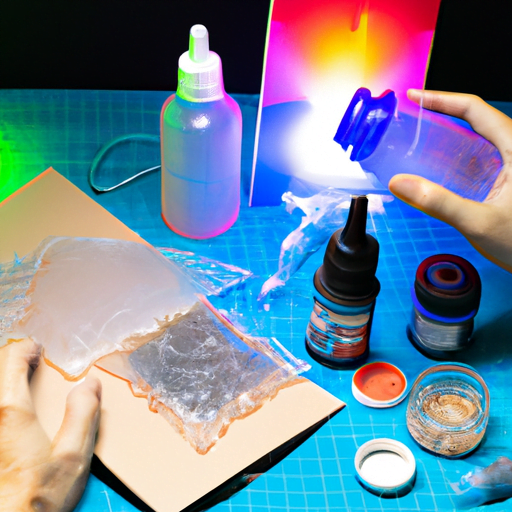
Are you a beginner interested in purchasing UV resin? Unsure of what to consider? This guide will assist you in understanding the various types of UV resin, important factors to keep in mind while making your purchase, and how to select the best one for your project. Additionally, we will provide you with helpful tips on using UV resin safely and efficiently. So, grab a cup of coffee and prepare to become knowledgeable about purchasing UV resin!
Types of UV Resin
There are two main types of UV resin: hard UV resin and flexible UV resin. When it comes to the advantages of UV resin, one of the biggest benefits is its quick curing time. Unlike epoxy resin, which requires mixing and a longer curing process, UV resin can be cured in just a matter of minutes with the help of a UV light source. This makes it ideal for small projects or for those who want immediate results. Additionally, UV resin is also known for its high clarity and resistance to yellowing over time, making it perfect for creating clear and transparent designs. However, it’s important to note that while UV resin offers convenience and speed, it may not have the same level of durability as epoxy resin for larger or more heavy-duty projects.
Factors to Consider When Buying UV Resin
When considering factors for purchasing UV resin, it’s important to take into account the curing time. The curing time refers to how long it takes for the resin to fully harden and become solid when exposed to UV light. This is crucial because it determines how quickly you can move on with your project. Another factor to consider is cost considerations. UV resins come in a range of prices, so you need to decide on a budget and find a resin that fits within that range without compromising quality. Additionally, shelf life is an important factor. You want to choose a resin with a longer shelf life so that you can use it over an extended period without it going bad or becoming unusable.
Understanding the Curing Process
Understanding how the curing process works is essential when working with UV resin. The curing time refers to the amount of time it takes for the resin to fully harden and become solid. It is important to follow the recommended curing time provided by the manufacturer, as this will ensure that your project turns out perfectly. Additionally, there are post curing techniques that can be used to enhance the strength and durability of the cured resin. These techniques may involve exposing the cured resin to heat or using a UV lamp for an extended period of time. By understanding and implementing these post-curing techniques, you can ensure that your UV resin projects are not only beautiful but also long-lasting.
Choosing the Right UV Resin for Your Project
To choose the right UV resin for your project, consider factors such as desired transparency, viscosity, and compatibility with different materials. When it comes to UV resin brands, there are subtle differences that can impact your final results. Some brands may offer a higher level of clarity and transparency, while others may have a thicker consistency or faster curing time. It’s important to do some research and read reviews to determine which brand aligns with your specific needs. Additionally, UV resin color options vary from brand to brand. Some brands offer a wide range of colors to choose from, allowing you to create vibrant and unique pieces. Others may have a more limited color selection. Consider these factors when making your decision to ensure your project turns out just the way you envision it.
Tips for Using UV Resin Safely and Effectively
Make sure you follow these safety tips to effectively use UV resin. First, when it comes to storing UV resin properly, keep it away from direct sunlight and store it in a cool, dry place. Exposure to sunlight and heat can cause the resin to cure prematurely. Additionally, make sure the containers are tightly sealed to prevent air exposure, which can also lead to premature curing. Another important tip is to wear protective gloves and eyewear while working with UV resin. This will minimize the risk of skin irritation or eye damage from accidental contact. Lastly, avoid common mistakes such as applying too much resin at once or not allowing enough curing time between layers. By following these tips, you can ensure safe and effective use of UV resin for your projects.