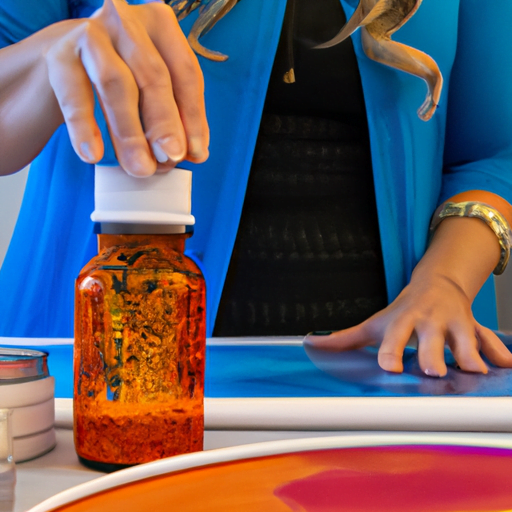
Are you new to working with UV resin? Don’t worry, in this article, we will help you avoid the common mistakes that beginners often make when using UV resin. From choosing the wrong type of resin to not allowing enough curing time, we will guide you through each step to ensure your projects turn out perfect every time. So grab your gloves and let’s dive in!
Choosing the Wrong Type of UV Resin
You shouldn’t make the mistake of choosing the wrong type of UV resin. Proper application techniques are essential for successful curing and achieving desired results. Understanding the differences between low viscosity and high viscosity resins is crucial in making the right choice. Low viscosity resins are more fluid and self-leveling, making them perfect for coating larger surfaces or creating thin layers. They flow easily into detailed areas, ensuring even coverage without air bubbles. On the other hand, high viscosity resins have a thicker consistency, making them ideal for building up layers or filling cavities. They provide better control and can be manipulated to create texture or dimension in your projects. By understanding these differences and selecting the appropriate resin for your specific needs, you can ensure better outcomes with your UV resin projects.
Insufficient Curing Time
Using a UV lamp helps ensure that the curing time is sufficient. When working with UV resin, it’s important to avoid improper mixing techniques and improper storage conditions. If you don’t mix the resin and hardener properly, it can lead to uneven curing and weak spots in your final piece. Make sure to follow the manufacturer’s instructions carefully when measuring and mixing the components. Additionally, storing your UV resin in improper conditions can also affect its curing time. Exposure to extreme temperatures or direct sunlight can cause the resin to cure too quickly or not at all. To prevent this, store your UV resin in a cool, dark place away from heat sources and sunlight. By using a UV lamp correctly and taking care of proper mixing and storage, you can ensure that your UV resin cures fully and produces high-quality results every time.
Inadequate Surface Preparation
Improper surface preparation can lead to adhesion issues and a lack of smoothness in the final cured UV resin product. To avoid these problems, it is important for you to follow proper cleaning techniques before applying UV resin. Make sure the surface is free from dust, grease, and any other contaminants that could interfere with the adhesion of the resin. Use a lint-free cloth or alcohol wipes to clean the surface thoroughly.
In addition to cleaning, priming the surface can also help improve adhesion and smoothness. Choose a primer that is compatible with your UV resin and apply it according to the manufacturer’s instructions. Priming creates a better bond between the surface and the resin, resulting in a more durable and flawless final product.
Overusing or Underusing UV Resin
Overusing or underusing UV resin can result in undesirable curing and hardening properties, affecting the final appearance and durability of your project. It’s important to find the right balance when applying UV resin to achieve optimal results. If you overuse it, the resin may not cure properly, leading to a sticky or tacky surface that doesn’t fully harden. This can also cause overexposure risks as excessive amounts of UV light are needed for complete curing. On the other hand, if you underuse UV resin, it may not provide enough coverage or strength for your project, resulting in weak spots and potential damage over time. To avoid these issues, it’s crucial to follow proper application techniques and use the recommended amount of UV resin for each layer or coating.
Ignoring Safety Precautions
Ignoring safety precautions can lead to potential hazards and accidents during the resin curing process, so it’s crucial to take necessary steps to protect yourself and your surroundings. One of the most important precautions is ensuring proper ventilation. UV resin emits harmful fumes during the curing process that can be hazardous if inhaled in large quantities or over an extended period of time. Make sure you work in a well-ventilated area or use a respirator to prevent respiratory issues. Additionally, using protective gear for your skin and eyes is essential. UV resin can cause skin irritation and severe eye damage if it comes into contact with them. Wear gloves, long sleeves, and safety glasses to shield yourself from any potential harm. Remember, taking these safety measures will keep you safe while enjoying the art of working with UV resin.