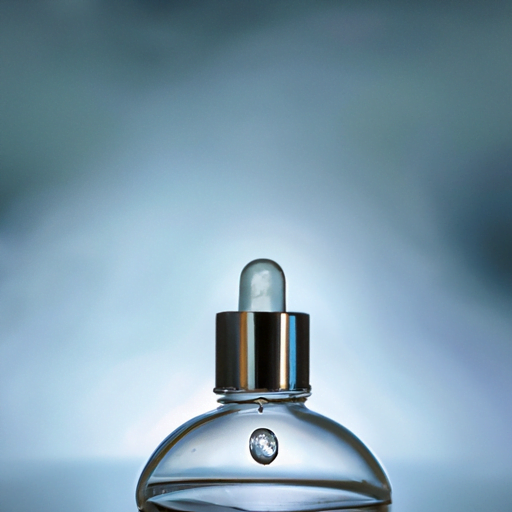
Are you interested in adding a touch of tranquility to your home with the calming scents of essential oils? Using a diffuser is an easy and effective way to do this. But how many drops do you need? The answer depends on various factors, such as the size of the room and your desired scent intensity.
In this article, we will help you figure out the ideal number of drops for different room sizes. We will also cover important considerations when adding essential oils to your diffuser, such as oil quality and safety precautions. Furthermore, we will discuss how experimenting with different essential oil blends can help you create unique aromas that match your mood or specific needs.
By following our tips and advice, you can get the most out of using essential oils in your diffuser and enjoy a truly therapeutic experience in your own home. So let’s start exploring how to create an aromatic sanctuary that is perfectly suited to you!
Understanding Essential Oils and Diffusers
Now, let me tell you how essential oils and diffusers can completely transform your home into a soothing sanctuary. Essential oils have been used for centuries for their aromatherapy benefits, promoting both physical and mental health and wellness. When combined with a diffuser, these oils release their natural scents into the air, creating a calming ambiance that can help alleviate stress, promote relaxation, and improve overall well-being.
When it comes to using essential oils in your diffuser, the number of drops you need will depend on the size of your diffuser and personal preference. As a general guideline, most diffusers recommend adding 3-5 drops of essential oil per 100ml of water. However, it’s important to remember that some oils are more potent than others, so you may need fewer drops for stronger scents like peppermint or eucalyptus.
Experimenting with different combinations of essential oils is also part of the fun. You can mix and match scents to create your own unique blend that suits your mood or specific needs at any given time. Just be sure not to overload your diffuser with too many drops as this could overpower the scent and potentially irritate sensitive individuals.
So go ahead, start exploring the world of essential oils and discover how they can enhance your home environment while providing numerous health and wellness benefits.
Factors to Consider when Adding Essential Oils to Your Diffuser
When determining the appropriate amount of essential oils for your diffuser, it is important to take into consideration various factors. Factors to consider include the size of your diffuser, the strength of the scent you desire, and the specific essential oil you are using.
Dos:
- Start with a small amount: It’s always better to start with a few drops and gradually increase if needed. This way, you can avoid overpowering scents.
- Follow guidelines: Different essential oils have different recommended dilution rates. Be sure to read the instructions provided by the manufacturer or consult a trusted source.
- Consider personal preferences: Everyone has different sensitivities and preferences when it comes to scents. Adjust the number of drops based on your personal preference for a subtle or stronger aroma.
Don’ts:
- Overdo it: Adding too many drops can result in an overwhelming scent that may cause headaches or irritate allergies.
- Mix too many oils at once: Mixing too many oils can create a confusing blend that might not smell pleasant.
- Ignore safety precautions: Some essential oils are not safe for certain individuals, such as pregnant women or pets. Always research potential risks before use.
Remember, finding the perfect balance for your diffuser may require some experimentation and adjustment based on these factors.
Determining the Ideal Number of Drops for Different Room Sizes
To determine the ideal number of drops for different room sizes, consider the size of your diffuser and adjust accordingly. Room size plays a crucial role in determining how many drops of essential oil you should add to your diffuser. The larger the room, the more drops you will need to achieve the desired aroma intensity.
For small rooms, such as a bathroom or office cubicle, start with 3-5 drops of essential oil. This will provide a subtle and pleasant scent without overwhelming the space. If you prefer a stronger aroma, you can increase the number of drops slightly.
Medium-sized rooms, like bedrooms or living rooms, require a bit more essential oil to fill the space effectively. Start with 5-7 drops and adjust as needed. Remember that it’s always better to start with fewer drops and add more if necessary.
For larger areas like open-concept spaces or large living rooms, you may need to use up to 10-15 drops of essential oil for optimal fragrance coverage. Experiment with different quantities until you find the perfect balance between scent strength and diffusion range.
By considering room size and adjusting the number of essential oil drops accordingly, you can create an inviting atmosphere that suits your preference in any space.
Experimenting with Essential Oil Blends
Experiment with different essential oil blends to create a unique and personalized scent for your space. Not only does this allow you to customize the aroma, but it also provides various therapeutic benefits. Here are some exciting ways to explore the world of essential oils:
Blend combinations: Mix different essential oils together to create a harmonious blend. For example, try combining lavender and bergamot for a calming effect or peppermint and eucalyptus for an invigorating atmosphere.
Scent profiles: Experiment with different scent profiles by blending oils from different fragrance families. Combine floral notes like rose or jasmine with citrusy scents like orange or lemon for a refreshing and uplifting fragrance.
When experimenting with essential oil blends, it is important to consider safety precautions. Always dilute essential oils properly before use, especially if applying them topically. Additionally, be mindful of any potential allergies or sensitivities you may have when testing new blends.
There are also various methods of diffusing essential oils that you can try out. Besides using a traditional diffuser, consider using reed diffusers or even homemade room sprays as alternative options. Each method offers its own unique way of dispersing the aromatic molecules into the air.
So go ahead and let your creativity flow as you explore the realm of essential oil blending! With some experimentation and careful consideration of safety guidelines, you’ll be able to create captivating scents that enhance your space’s ambiance while enjoying their therapeutic benefits.
Tips for Maximizing the Benefits of Essential Oils in Your Diffuser
Get the most out of your diffuser by following these simple tips to enhance the benefits of essential oils in your space. Maximizing aromatherapy benefits is all about selecting the right essential oils for your needs. When choosing oils, consider their therapeutic properties and how they can support your physical and emotional well-being.
To maximize the benefits, start by selecting high-quality essential oils from reputable brands. Look for oils that are 100% pure and free from additives or synthetic fragrances. These pure oils will provide you with the full range of therapeutic benefits.
Next, pay attention to the concentration of essential oil drops you add to your diffuser. Start with a conservative amount, usually around 3-5 drops, and adjust based on personal preference and room size. Remember that a little goes a long way when it comes to essential oils.
Another tip is to experiment with different oil blends to create synergistic effects. Some popular combinations include lavender and bergamot for relaxation, eucalyptus and peppermint for respiratory support, or lemon and rosemary for focus and mental clarity.
Lastly, consider using a timer on your diffuser to control the amount of time it runs. This helps prevent overexposure to essential oils while still enjoying their benefits throughout the day or night.
By following these tips, you can maximize the aromatherapy benefits of essential oils in your diffuser and create an uplifting atmosphere in your space.
Conclusion
In conclusion, when adding essential oils to your diffuser, it is important to consider factors such as room size and personal preference. Experimenting with different blends can help you find the perfect combination for your needs. Remember that a little goes a long way, so start with a small number of drops and adjust as needed. By following these tips and maximizing the benefits of essential oils in your diffuser, you can create a soothing and refreshing atmosphere in your home or office.